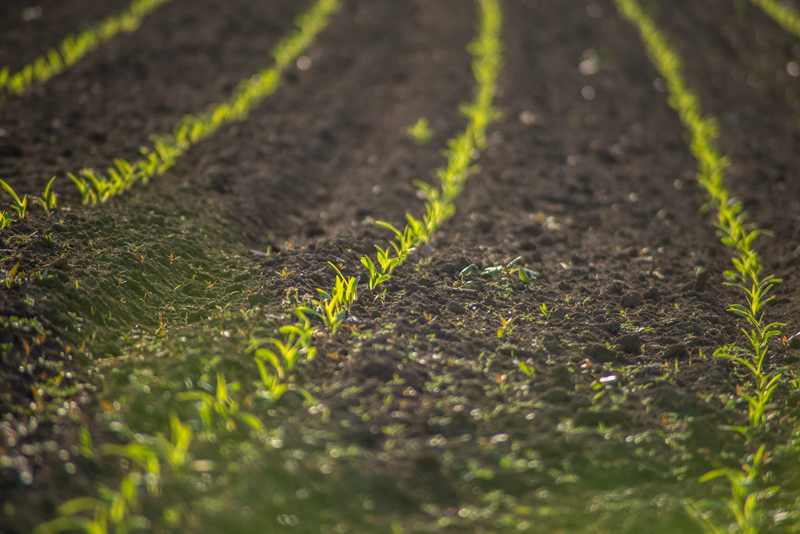
Summary: While many gardeners view winter as a dormant season, experienced growers know it's one of the most important times of the year. Investing in soil preparation for spring during the colder months creates stronger roots, healthier plants, and significantly higher yields when the growing season begins.
Neglecting soil during winter can lead to nutrient deficiencies, poor plant performance, and disappointing harvests.
Preparing and enriching your soil now allows beneficial microbes, organic matter, and nutrients to build a strong foundation for spring success.
Why Is Winter the Best Time for Soil Preparation for Spring?
Many gardens appear inactive during winter, but beneath the surface, important biological processes continue to take place.
Organic matter breaks down, beneficial microorganisms remain active, and nutrients slowly become available for future plant growth. This makes winter the ideal opportunity to improve soil structure and fertility before spring planting begins.
Answer: Winter is the best time for soil preparation because it gives compost, organic matter, and beneficial soil microbes time to improve soil structure and nutrient availability before spring planting begins.
By preparing your soil during the dormant season, you allow natural processes to work in your favour rather than rushing to fix soil issues once planting time arrives. Healthy soil doesn't happen overnight; it develops through consistent care and preparation.
At Starke Ayres, we understand that successful gardens start below the surface. That's why soil health remains one of the most important factors in achieving productive harvests year after year.
The Three Pillars of Active Soil During the Dormant Season
Building productive spring gardens begins with focusing on three key soil health principles throughout winter.
1. Feeding the Soil with Organic Matter
Winter is the perfect time to add compost and organic materials to your garden beds.
As these materials decompose, they improve soil structure, increase nutrient availability, and create a healthier environment for beneficial microorganisms. Rich organic matter also improves the soil's ability to retain moisture while maintaining proper drainage.
Gardens with healthy organic content typically produce stronger, more resilient plants throughout the growing season.
2. Protecting Soil Through Mulching
Many gardeners focus on protecting plants during winter but overlook the importance of protecting the soil itself.
A layer of mulch helps regulate temperature fluctuations, reduce erosion, suppress weeds, and preserve moisture. It also provides a steady source of organic matter as it gradually breaks down.
Healthy soil biology depends on stable conditions, and mulch creates an ideal environment for microbial activity to continue even during colder months.
3. Building Strong Root Zones Before Planting
The best spring gardens are built long before seeds go into the ground.
By improving soil structure during winter, gardeners create an environment where roots can penetrate deeply and access water, oxygen, and nutrients more efficiently. Strong root development directly contributes to healthier plants and higher yields.
When spring arrives, crops can focus on growth rather than struggling to establish themselves in compacted or nutrient-poor soil.
Key Soil Preparation Considerations for Spring Success
What exactly contributes to healthier soil and stronger spring harvests?
| Soil Health Factor | Operational / Practical Impact | Core Benefit |
| Compost Addition | Increases organic matter and microbial activity | Improved nutrient availability |
| Mulching | Protects soil from temperature extremes and erosion | Better moisture retention |
| Soil Aeration | Reduces compaction and improves root penetration | Stronger root systems |
| Crop Planning & Rotation | Prevents nutrient depletion and pest build-up | Higher long-term productivity |
Frequently Asked Questions
Can soil really improve during winter?
Yes. Even though plant growth slows down, soil remains biologically active. Organic matter continues breaking down, microbes remain at work, and nutrients gradually become available for future crops.
Should I add compost during winter?
Absolutely. Winter is one of the best times to incorporate compost into garden beds because it gives organic matter time to decompose and enrich the soil before spring planting begins.
How does soil health affect spring yields?
Healthy soil provides better nutrient availability, water retention, aeration, and root support. These factors contribute directly to stronger plant growth and improved harvests throughout the growing season.
What should I plant once spring arrives?
Spring is an excellent time for leafy greens, salad crops, peas, radishes, spinach, and many early vegetables. Planning ahead during winter ensures your soil is ready to support these crops as soon as planting season begins.
Partner with Starke Ayres for Better Soil and Better Harvests
Starke Ayres has been helping South African gardeners grow with confidence for generations. From premium-quality seeds to trusted gardening products and expert seasonal guidance, we provide everything you need to build healthier soil and more productive gardens.
Don't let winter become a missed opportunity. Start improving your soil today and create the foundation for stronger roots, healthier plants, and exceptional spring harvests.
Read Next:Your 2026 Garden: Starting with a Year Round Yield Plan
Discover More:Gardening Tips for Winter: Essential Tools, Seeds, and Maintenance Advice