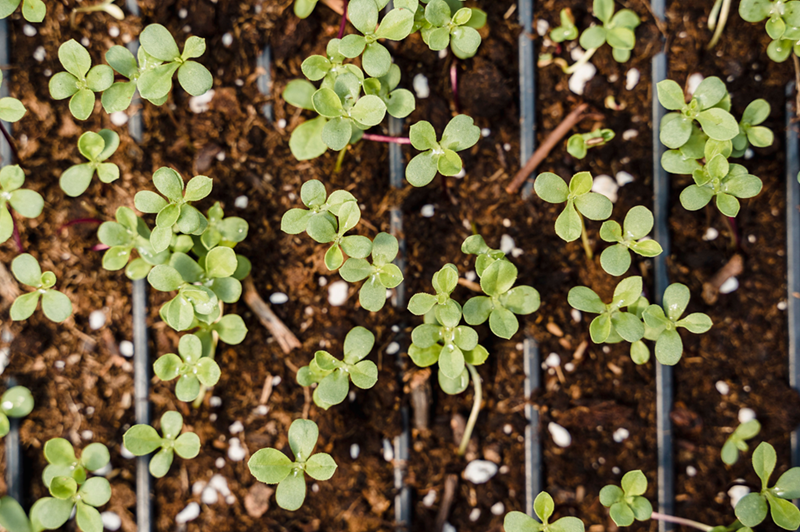
Summary:October's warmer conditions can increase moisture loss from exposed seedbeds, making consistent irrigation an important part of successful seed germination. Drip irrigation can help deliver water more precisely to the growing area while supporting efficient moisture management.
A seedbed that becomes too dry can prevent seeds from absorbing enough water to begin germination, while excessive irrigation can cause waterlogging, reduce oxygen availability and make it harder for emerging shoots to establish.
By combining appropriate irrigation, soil preparation and moisture-retention practices, growers can create more consistent conditions for healthy seedling emergence.
How Does Drip Irrigation Support Seed Germination?
Successful germination depends on getting the basics right: suitable temperature, correct planting depth and, importantly, the right level of soil moisture. Starke Ayres explains that most crops prefer a moist, aerated soil bed during germination. Soil that is too dry may prevent seeds from absorbing enough water, while excessive moisture can cause waterlogging and reduce available oxygen.
This balance becomes particularly important as spring progresses into October and warmer conditions increase the potential for moisture to be lost from exposed soil.
Answer: Drip irrigation for seed germination can help maintain moisture in the growing zone while allowing growers to manage water more precisely according to crop and soil requirements.
The objective is not simply to provide more water, but to maintain appropriate moisture without creating saturated conditions. Starke Ayres' commercial production guidance similarly emphasises keeping soil moist during establishment while avoiding conditions that encourage crusting or waterlogging.
For growers planning October seedbeds, careful irrigation management can therefore form an important part of creating favourable conditions for emergence.
The Three Pillars of Drip Irrigation for Seed Germination
Effective seedbed moisture management depends on three key principles: maintaining sufficient moisture, minimising unnecessary water loss and avoiding over-irrigation.
1. Consistent Soil Moisture
Seeds require water to initiate germination, which means inconsistent moisture can create problems during this particularly vulnerable stage of plant development.
Starke Ayres advises that soil should be moist and aerated during germination. Its guidance also highlights the importance of avoiding both excessively dry and excessively wet conditions.
Drip irrigation can support this approach by allowing water to be delivered progressively to the growing area rather than relying on large volumes of surface water at once.
For commercial crops with shallow root systems, Starke Ayres specifically recommends frequent irrigation to maintain adequate moisture. Its bunching onion guidance, for example, states that soil should remain moist after planting to support seedling emergence.
2. Managing Evaporative Loss
As temperatures rise, exposed soil can lose moisture more quickly. This can be particularly challenging for shallowly planted seeds, which have limited access to moisture below the surface.
The placement of irrigation lines therefore matters. Delivering water closer to the intended growing zone can help concentrate moisture where it is needed rather than unnecessarily wetting areas between growing rows.
Mulching can provide an additional moisture-management strategy. Starke Ayres recommends mulch for certain crops to help retain soil moisture, including its California Wonder pepper variety, where the growing tip advises mulching around the roots to hold moisture.
Starke Ayres also offers Hydrocache, a moisture-retaining carbon-enriched gel designed to help soil hold moisture for plant uptake.
3. Avoiding Over-Irrigation
More water does not automatically mean better germination.
According to Starke Ayres, overwatering can result in waterlogging, reduce oxygen availability and contribute to soil compaction, potentially creating a barrier for emerging shoots. Wet conditions can also increase the risk of microorganisms affecting vulnerable seeds.
The aim should therefore be to maintain a moist but well-aerated seedbed rather than keeping the soil continuously saturated.
This is especially important when planning irrigation schedules around October weather, as rainfall should also be taken into account rather than treating irrigation as a fixed daily requirement.
Key Seedbed Moisture Considerations for October Planting
What should growers consider when using drip irrigation to manage moisture during October seed germination?
| Seedbed Moisture Factor | Operational / Practical Impact | Core Benefit |
| Drip Line Placement | Position irrigation close to the intended growing zone and planting rows. | Helps direct moisture towards where developing plants need it. |
| Soil Moisture | Monitor whether the seedbed is becoming excessively dry or remaining saturated. | Supports the moisture balance required for germination. |
| Evaporative Loss | Warmer, exposed soil can lose moisture more rapidly. | Encourages more deliberate irrigation and moisture-retention strategies. |
| Drainage | Excess water can cause waterlogging and reduce soil oxygen. | Supports healthy conditions for emerging roots and shoots. |
| Mulching | A suitable mulch layer can help reduce moisture loss from soil. | Helps retain available soil moisture. |
| Crop Requirements | Water needs differ according to crop, soil, season and growth stage. | Allows irrigation to be adjusted to the specific crop. |
Frequently Asked Questions
1. Is drip irrigation good for seed germination?
Drip irrigation can be useful for maintaining soil moisture during germination when it is appropriately managed. Seeds need sufficient moisture to begin germination, but excessive water can cause waterlogging and reduce oxygen availability in the soil.
2. How often should seedbeds be watered during germination?
There is no single watering schedule that applies to every seedbed. Requirements depend on factors such as crop type, soil, weather and growth stage. Starke Ayres' crop-specific guidance demonstrates this variation, with some crops requiring frequent irrigation because of shallow root systems.
Growers should therefore follow the watering and growing guidance provided for their specific seed variety.
3. How does drip irrigation reduce water loss in seedbeds?
Drip irrigation delivers water to a targeted area rather than distributing it broadly across the entire growing surface. This can support more precise water management, although the actual efficiency achieved depends on system design, soil conditions, weather and irrigation practices.
4. Can mulch help maintain moisture during seed germination?
Yes. Mulching can help reduce moisture loss from the soil. Starke Ayres specifically recommends mulching for certain crops to help hold moisture, while its production guidance also identifies mulch as useful for reducing rapid soil drying in hot conditions.
5. What happens if a seedbed is overwatered?
Overwatering can cause waterlogging, reduce oxygen availability and contribute to soil compaction. These conditions can make it more difficult for emerging shoots to establish successfully. Starke Ayres recommends maintaining a moist, aerated soil bed rather than allowing the soil to become excessively wet.
6. How can growers prepare seedbeds for warmer October conditions?
Start by selecting seeds suited to the season and following the recommended sowing instructions. Prepare well-drained soil, maintain appropriate moisture during germination and consider moisture-retention measures such as suitable mulching. Starke Ayres advises growers to consult seed-packet instructions because different crops have different seasonal and germination requirements.
Partner with Starke Ayres for Advanced Seed and Growing Solutions
Starke Ayres provides a wide range of vegetable, flower, lawn and gardening seeds alongside products and resources designed to support successful growing. Its product information includes crop-specific planting seasons, germination periods and growing tips to help gardeners and growers make informed decisions.
From moisture-retaining products such as Hydrocache to growing media such as Palm Peat, Starke Ayres provides additional solutions for growers looking to manage moisture and support healthy plant development. Palm Peat is designed with high water retention, aeration and drainage characteristics and is suitable for seedling production in trays and punnets.
Explore the Starke Ayres Home Gardening Seed range and discover the right varieties and growing solutions for your October planting plans.
Read Next: 5 Reasons Why Seeds May Not Germinate
Discover More: Starke Ayres Hydrocache