General Brassica Fertiliser Guidelines
Brassicas are a diverse group of vegetables including cabbage, broccoli, kale, cauliflower, and Brussels sprouts. They are known as "heavy feeders" due to their high nutrient requirements for optimal growth and yield. Successful cultivation of brassicas depends largely on a well-planned fertilization strategy, with timing adapted to planting season.
The basic elements that brassicas need are the macro-elements nitrogen, phosphorus, and potassium and the important micronutrients calcium, magnesium, sulphur and boron.
A soil analysis is a vital step before planting. It determines the pH and current nutrient levels, enabling accurate fertiliser recommendations. In general, brassicas prefer soil with a pH of 6.0 to 6.8. Agricultural lime could be required if the soil is too acidic. This should be added 4 to 8 weeks prior to planting.
Pre-planting
Before planting, add a balanced fertiliser (such as 2:3:2) to the soil as a basal dressing. This supplies vital nutrients for the early growth of roots and general plant health. Organic compost is a valuable addition, compost and well-rotted manure are good sources. Organics give structural advantages with the formation of soil aggregates.
Macronutrient function
Nitrogen (N). Often termed the Engine of Growth: Nitrogen is crucial for the leafy growth characteristic of many brassicas. The total requirement is normally applied in split doses, some at planting and then again later as top-dressings during the active growth phase.
Phosphorus (P). Phosphorus is vital for the development of a strong root system, protein formation, and chlorophyll production, especially in the early stages.
Potassium (K). Important for overall plant health. Potassium contributes to robust root development, disease resistance, drought tolerance, and overall plant vigour.Micronutrient function
Boron (B). Extremely important for brassicas. Deficiency can lead to hollow stems, brown centres in swedes, and poorly formed curds in cauliflowers. Boronated compound fertilisers or direct application are often recommended.
Sulphur (S). Brassicas have a higher sulphur requirement than many other crops. It is essential for oil and glucosinolate production (compounds contributing to characteristic flavour and pest resistance).
Calcium (Ca) and Magnesium (Mg). Both are important for overall healthy growth.
Warmer summer temperatures typically result in faster growth, which increases the rate at which plants require nutrients. The need for constant hydration due to higher temperatures and more evaporation affects nutrient uptake as well. Using irrigation water to apply fertiliser, or fertigation, can be very effective throughout the summer. The need for nitrogen top-dressings may increase as a result of the rapid development. However, excess nitrogen may delay maturity or promote too much foliage at the cost of head formation in crops like broccoli and cabbage. Pest and disease pressure is often higher in the summer and plants that are fed adequately tend to be more resilient.
Shorter days and cooler temperatures lead to slower plant development and reduced rates of nutrient absorption. Spring cabbage
and other winter brassicas may require a reduced base N dressing, with more added once growth resumes in late winter or early spring. There is a chance of nutrient leaching, especially nitrogen, in places with heavy winter rainfall. Growers must be alert to boron deficiencies, particularly in soils with higher pH levels. For certain brassicas, molybdenum can also be essential.
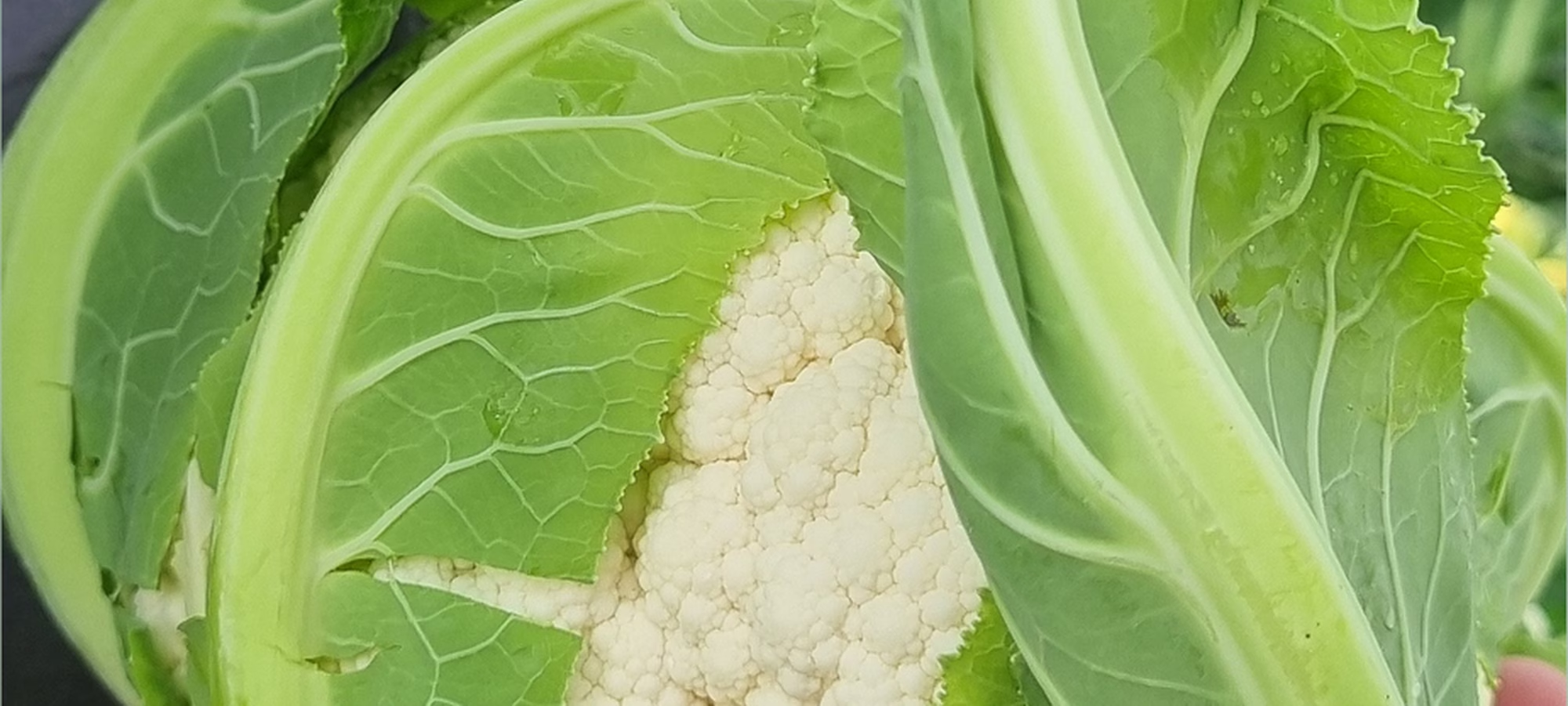
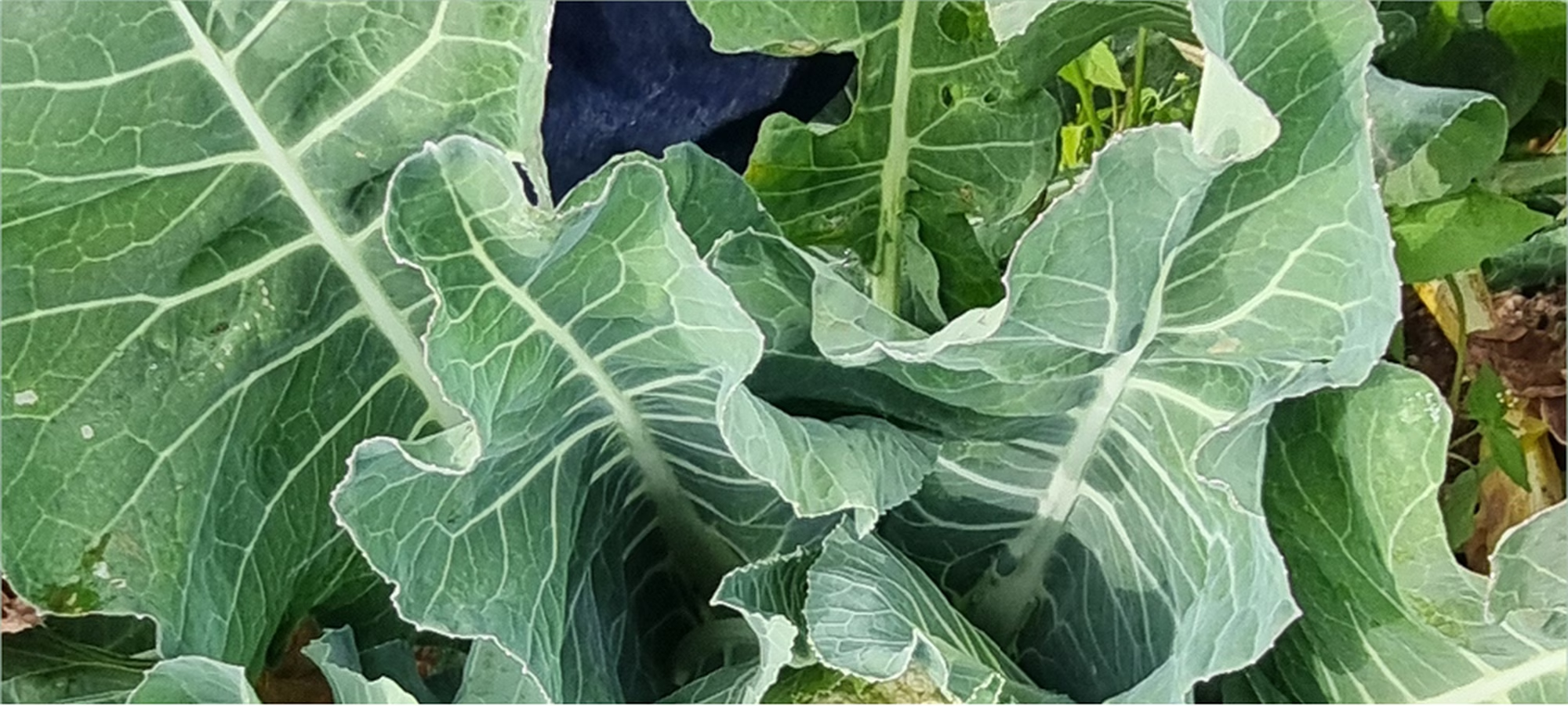
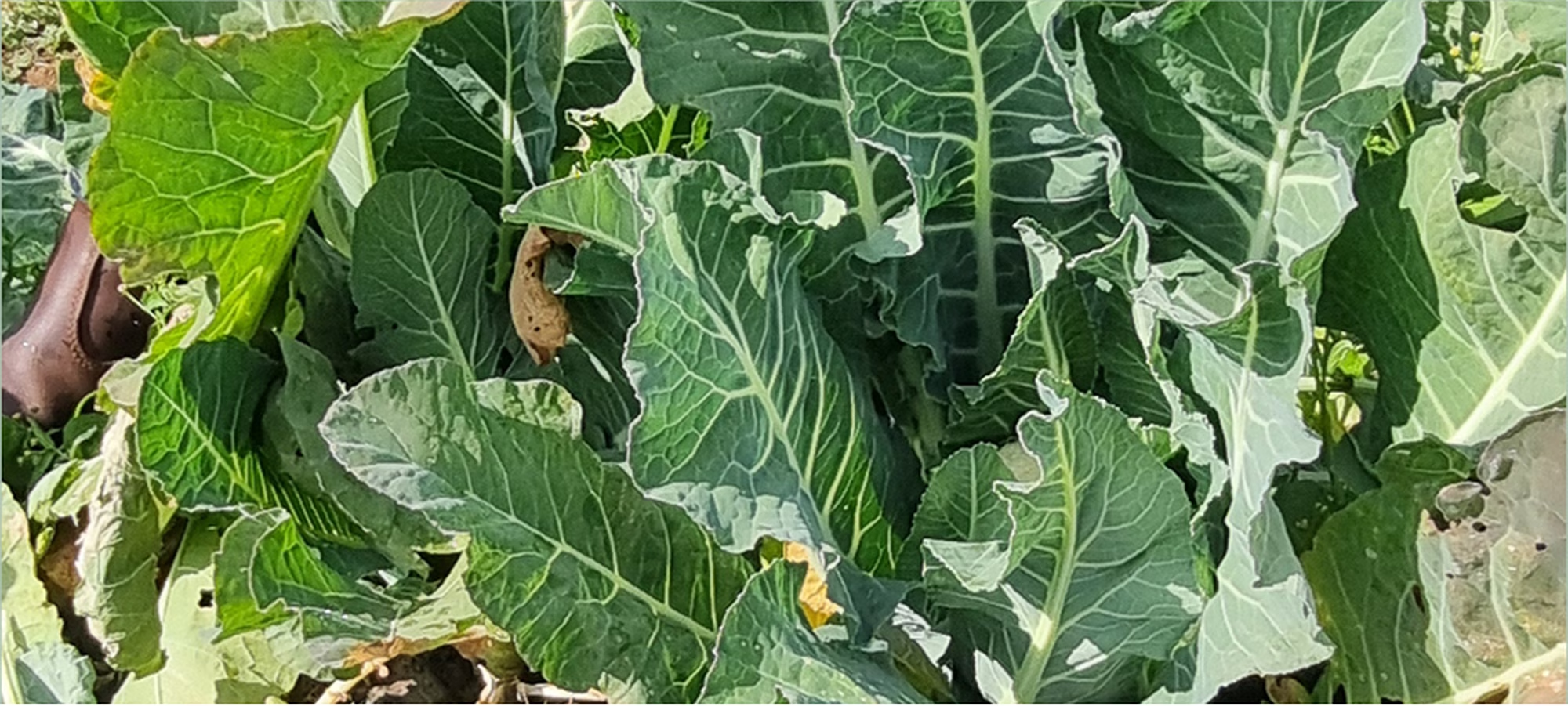
The growth of brassica is severely limited by fertiliser shortages, which affect yield and quality. In order to improve long-term soil fertility and nutrient cycling, producers may increase soil organic matter using compost and manure. This results in systems becoming more robust and less reliant on outside influences. Brassicas are heavy feeders, a lack of vital nutrients—especially nitrogen, phosphate, and potassium—will inevitably result in smaller plants, stunted development, and drastically lower yields. Poor head formation (such as loose cabbage heads or small cauliflower curds), discoloured leaves, diminished flavour and decreased nutritional content are all signs of nutrient deficiencies. A plant that is not provided correct nutrition will not reach its full potential. An example is cauliflower, where an undeveloped frame may open too early and be burned by the sun, whereas the same variety with sufficient fertiliser will produce an excellent frame and protect the head.
Effective fertiliser management is crucial for successful brassica cultivation, with tailored approaches for summer and winter plantings. While fertiliser shortages present significant challenges to yield and quality, they also highlight the importance of sustainable soil management practices and the exploration of diverse nutrient sources to build more resilient agricultural systems.
Same area, same variety, different fields: