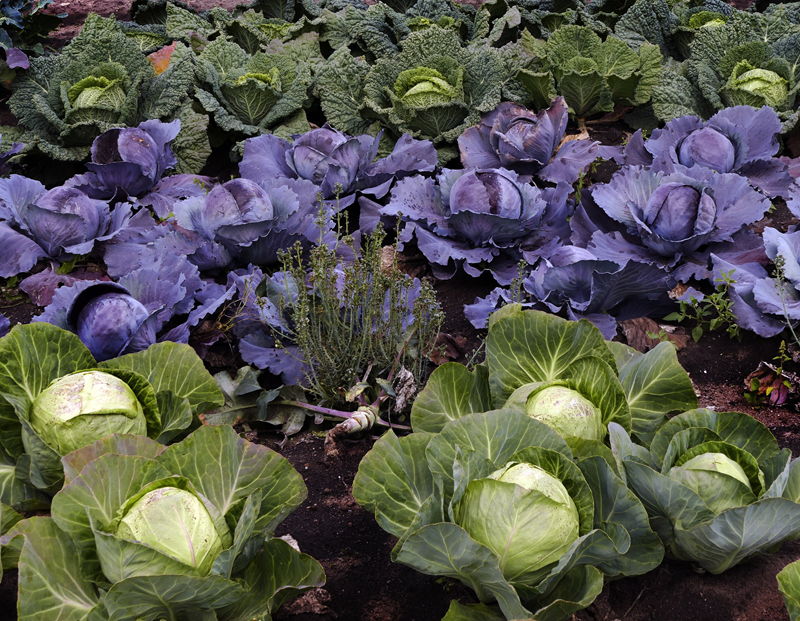
As summer begins to fade and temperatures start to cool, March becomes one of the most important months in the vegetable garden. For South African gardeners, autumn marks the perfect time to shift focus from heat-loving crops to hardy winter vegetables. Among the most rewarding options are brassicas; a nutritious group that includes cabbage, broccoli, cauliflower, kale, and Brussels sprouts. Sowing winter crops early allows them to establish strong roots while the soil still holds warmth from summer. With the right preparation and high-quality seed, gardeners can enjoy abundant harvests throughout the colder months.
For gardeners looking to get started, sowing vegetable seeds in March provides the ideal opportunity to plant brassicas and other cool-season vegetables that thrive in autumn and winter conditions. Starke Ayres offers a wide range of premium vegetable seeds designed for both home gardeners and commercial growers, helping ensure strong germination and reliable results.
Why March Matters for Planting
March is the ideal time for sowing vegetable seeds in March, especially winter brassicas like cabbage, cauliflower, kale, and broccoli. With the right timing and preparation, these cool-season crops can deliver healthy winter harvests.
1. Why March is the Ideal Time for Brassicas
Autumn planting provides brassicas with the moderate temperatures they need to establish strong growth. As the heat of summer fades, soil conditions become ideal for germination and early root development.
In South Africa, the autumn months (March to May) are particularly suited to cool-season vegetables such as brassicas, carrots, beets, and leafy greens. These crops benefit from the milder weather and reduced heat stress.
Starting your seeds at the right time ensures plants mature during winter when brassicas typically perform best.
Now Read: Summer Gardening Success: The Must Plant Vegetable Seeds for December in South Africa
2. Best Brassicas to Sow in March
When sowing vegetable seeds in March, several brassica varieties perform exceptionally well. These vegetables are not only hardy but also highly nutritious and versatile in the kitchen.
Popular winter brassicas include:
- Broccoli
- Cabbage
- Cauliflower
- Brussels sprouts
- Kale
- Kohlrabi
Many of these crops can be sown from late summer through early autumn, allowing them to develop into productive winter plants.
Choosing quality seed varieties ensures stronger plants, better disease resistance, and higher yields.
3. How to Sow Brassica Seeds Successfully
Successful seed sowing begins with proper soil preparation and planting techniques.
Start by using a well-drained seedling mix or compost-rich soil. Sow seeds about 1 cm deep and keep the soil consistently moist but not waterlogged. Brassicas generally germinate within one to two weeks under suitable conditions.
Once seedlings develop four true leaves (usually after four to six weeks) they can be transplanted into prepared garden beds where they receive at least six hours of sunlight per day.
Providing adequate spacing between plants will allow them to develop strong heads and healthy foliage.
4. Creating the Ideal Growing Conditions
Winter brassicas thrive in fertile soil rich in organic matter. Adding compost before planting improves soil structure and provides essential nutrients for healthy growth.
These vegetables prefer:
- Full sun to light shade
- Well-drained soil
- Regular watering
- Protection from pests such as aphids and caterpillars
Mulching around plants helps maintain soil moisture and regulate temperature as the weather continues to cool.
5. Planning for a Productive Winter Harvest
Planting brassicas in March is the first step toward a thriving winter vegetable garden. With proper care, these crops will continue developing through autumn and provide harvests throughout the colder months.
By following a seasonal planting calendar and choosing reliable seeds, gardeners can maintain consistent vegetable production year-round. High-quality seed varieties are specially developed to provide strong germination and healthy plants, giving gardeners the best possible start to their winter crops.
Trust Starke Ayres for a Bountiful 2026 Harvest
For gardeners across South Africa, sowing vegetable seeds in March is one of the most effective ways to prepare for a productive winter harvest. Brassicas such as cabbage, broccoli, cauliflower, and kale thrive when planted during early autumn, taking advantage of cooling temperatures and favourable growing conditions.
With good soil preparation, proper sowing techniques, and reliable seed varieties, gardeners can enjoy fresh, homegrown vegetables throughout winter. By planning ahead and planting in March, your garden can remain productive long after summer has ended.
Now Read: Your 2026 Garden: Starting with a Year Round Yield Plan