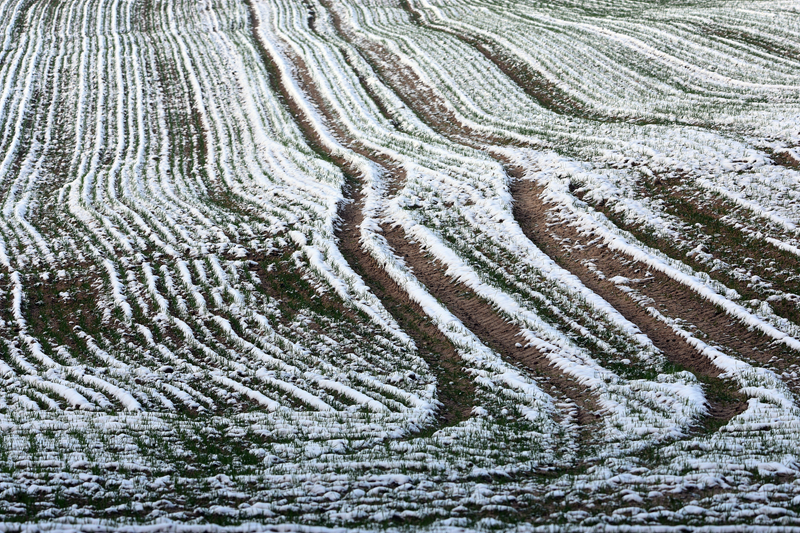
Winter in South Africa can bring chilly mornings, cold winds and damaging frost that threatens vulnerable plants and vegetables. While some crops thrive in cooler temperatures, others need extra protection to survive sudden cold snaps.
Preparing your garden before temperatures drop is the key to maintaining healthy soil, protecting delicate plants and ensuring a productive spring season ahead. With the right planning and care, your winter garden can remain resilient, productive and beautiful throughout the colder months.
Preparing Your Garden for Winter
Frost does not have to ruin your winter garden. With the right preparation, South African gardeners can protect plants, improve soil health and keep gardens thriving all season long.
1. Protect Vulnerable Plants Before Frost Arrives
One of the most effective ways to prevent frost damage is to act before temperatures fall too low. Tender plants, seedlings and young vegetables are especially vulnerable during icy mornings and overnight temperature drops.
Frost cloths, horticultural fleece and simple covers like old sheets or blankets can help trap warmth and shield plants from freezing air. Garden experts also recommend using hoops or stakes to prevent covers from touching delicate leaves directly.
Container plants are even more exposed because their roots have less insulation than plants in the ground. Moving pots into sheltered areas or grouping them together near walls can create a warmer micro climate during winter.
Now Read: General Brassica Fertiliser Guidelines
2. Mulching Helps Insulate Soil and Roots
Mulch is one of the simplest but most effective winter gardening tools. Organic mulch such as bark, compost or wood chips helps regulate soil temperature, retain moisture and reduce frost penetration around plant roots.
In South Africa’s colder regions, mulching also helps prevent soil erosion and improves soil structure during winter rainfall. As the mulch breaks down, it adds valuable nutrients back into the garden. Applying mulch around vegetables, shrubs and flower beds before the coldest months arrive can make a significant difference in plant survival and long-term garden health.
3. Choose Frost-Hardy Vegetables and Plants
Not every plant struggles in winter. Many vegetables actually perform better in cooler conditions and can tolerate light frost when properly established.
Cold-hardy crops like spinach, cabbage, kale, carrots, onions and beetroot are well suited to South African winter gardens. Kale is particularly frost tolerant, with colder temperatures even improving its flavour in some cases. Choosing winter-ready seed varieties suited to local conditions gives gardeners a better chance of success during colder months. Planting the right crops at the right time is one of the easiest ways to create a productive winter garden.
4. Winter Maintenance Strengthens Your Garden
Winter is not only about protection- it is also the ideal time for garden maintenance and preparation. Pruning dormant plants, removing dead growth and clearing fallen leaves can reduce disease risk and encourage healthier regrowth in spring. It is also important to monitor watering carefully during winter. Overwatering is a common mistake during colder months, especially when plants require less moisture than they do in summer. Gardeners should regularly check soil conditions rather than sticking to summer watering routines.
A little seasonal maintenance now can prevent larger problems later in the year.
5. Plan Ahead for a Strong Spring Garden
Successful winter gardening is as much about preparation as it is about protection. Winter offers the perfect opportunity to improve soil quality, plan future planting layouts and prepare for spring growth. Crop rotation, succession planting and selecting reliable seasonal seeds can help create a healthier, more productive garden year-round. South African gardeners who prepare early often enjoy stronger harvests and fewer pest or disease issues once warmer weather returns. By using winter as a planning season rather than a dormant one, gardeners can keep their outdoor spaces thriving throughout the year.
Give Your Garden the Best Start with Starke Ayres
Frost and cold weather may be part of winter gardening, but they do not have to damage your plants or slow your garden down. With frost protection, mulching, smart plant choices and seasonal maintenance, South African gardeners can successfully protect and strengthen their gardens during the colder months. Winter preparation not only helps plants survive challenging conditions, but also sets the stage for healthier growth and better harvests in spring. For quality seeds, seasonal gardening advice and winter-ready planting solutions, explore the range available from Starke Ayres.
Now Read: April Sowing: Best-Selling Seeds for a Winter Harvest