Summary: August is the perfect time for South African gardeners to start preparing for spring, with September marking the beginning of the spring growing season. By choosing the right vegetables and flowers and preparing your soil now, you can give your garden a strong start as temperatures begin to rise.
Waiting too long to sow can mean missing important planting windows, while sowing seeds without considering seasonal conditions can result in poor germination and weaker plants.
With the right seed varieties, healthy soil and a little forward planning, spring seed sowing can set the foundation for a productive vegetable garden and a colourful flower display.
What Should You Sow for Spring in South Africa?
As winter draws to a close, gardeners across South Africa can start looking ahead to warmer days. But with August still technically part of winter and spring beginning in September, what should you actually be planting now?
The answer depends on your local climate, frost risk and the specific requirements of each variety. Starke Ayres' seed range provides seasonal growing information for individual vegetable and flower varieties, making it easier for gardeners to select seeds suited to their conditions.
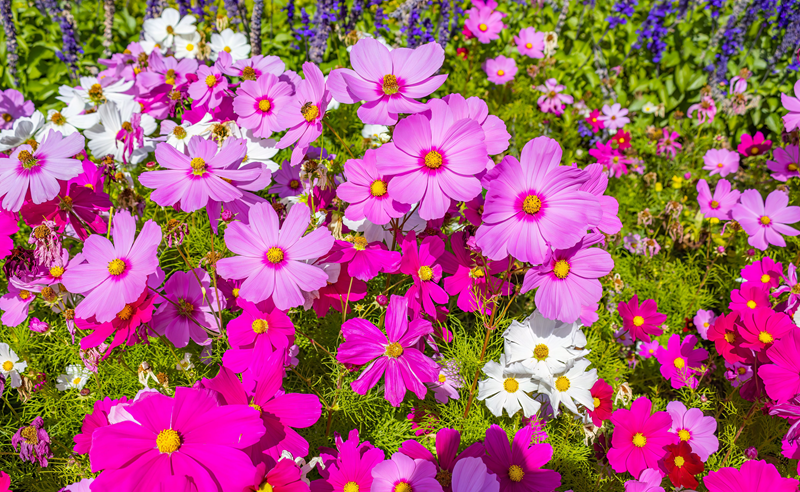
Answer: For South African spring seed sowing, gardeners can begin planning vegetables such as lettuce, spinach, radishes, beans, carrots and beetroot, alongside spring-suitable flowers such as African daisies, alyssum, cosmos and marigolds.
August is an excellent month to prepare beds, improve soil and start suitable seeds, while September brings the beginning of spring and a wider range of warm-season planting opportunities. Starke Ayres notes that South African spring runs from September to November, with salad crops, leafy greens and early vegetables particularly suited to the season.
Whether you're growing vegetables for the kitchen or flowers for colour and pollinators, choosing quality seed is the first step towards a successful spring garden. Starke Ayres has supplied vegetable, flower and lawn seeds for more than 140 years.
The Three Pillars of Spring Seed Sowing
Successful spring gardening comes down to three key priorities: choosing appropriate seeds, creating the right growing conditions and timing your sowing around South Africa's changing temperatures.
1. Immediate Benefit: Choose the Right Spring Vegetables
Spring opens up a wider range of vegetable-growing opportunities, but it is still important to select varieties according to your local climate and conditions.
For gardeners getting started in August and September, leafy greens and quick-growing crops can be excellent choices. Starke Ayres' vegetable seed range includes lettuce, spinach, radish, carrots, beetroot, beans, cucumber, tomato, pumpkin, squash, sweetcorn and many other varieties, with individual product guides providing seasonal sowing information.
Lettuce is a particularly useful spring crop, although gardeners should pay attention to temperature because lettuce is sensitive to heat fluctuations. Starke Ayres' Green Machine lettuce, for example, is described as suitable for year-round production and is adaptable across different growing conditions.
For gardeners wanting to move towards warmer-season vegetables as spring progresses, crops such as beans, cucumber, tomatoes, peppers, chillies, squash and sweetcorn can become increasingly relevant.
The key is not to treat spring planting as a single day on the calendar. Instead, think of August as preparation time, September as the beginning of the spring planting window and October and November as increasingly suitable for warm-season crops.
2. Risk Mitigation: Prepare for Frost and Changing Temperatures
South African spring does not necessarily mean warm weather from day one. Some areas can still experience cold mornings and late frosts during the transition from winter to spring.
This is particularly important for young seedlings. Starke Ayres highlights that tender plants, seedlings and young vegetables can be vulnerable to sudden temperature drops and frost.
Before sowing, consider your local frost risk and whether seeds should be started in protected conditions before being transplanted outdoors.
Gardeners should also avoid assuming that every seed can be planted as soon as September arrives. The best sowing time varies by crop and location. For example, Starke Ayres' Lake 701 F1 hybrid maize is specifically listed for spring and summer planting and full sunlight, while its Malagueta chilli is also listed for spring and summer.
Checking the planting information for your specific seed variety can therefore help you avoid sowing too early or exposing young plants to unsuitable conditions.
3. Growth / Efficiency: Add Colour with Spring Flowers
A successful spring garden isn't only about growing food. Spring is also an opportunity to fill garden beds, borders and containers with vibrant flowers.
Starke Ayres offers a wide range of flower seeds, including African daisies, alyssum, antirrhinums, cosmos, dahlias, marigolds, nasturtiums and garden flower mixes, with varieties suited to different planting seasons and growing conditions.
Flowers can also contribute to a more productive garden by attracting pollinators. Starke Ayres' range includes bee-friendly flower options, making it possible to combine ornamental planting with a garden that supports beneficial insects.
For gardeners with limited space, compact flower varieties and mixed seed options can add colour to pots and smaller beds without requiring a large garden.
Key Spring Seed Sowing Considerations for South African Gardeners
So, what should you consider before putting your first spring seeds into the soil?
| Spring Seed Sowing Factor | Operational / Practical Impact | Core Benefit |
| Planting Season | Different vegetables and flowers have different seasonal sowing requirements. | Helps you sow at the most suitable time for each variety. |
| Local Climate | Frost, rainfall and temperature vary considerably across South Africa. | Helps you choose crops suited to your growing conditions. |
| Soil Preparation | Well-prepared soil supports healthy root development and establishment. | Gives seedlings a stronger foundation for growth. |
| Sunlight | Different plants have different requirements for full sun, partial shade or shade. | Helps plants receive the light they need to thrive. |
| Watering | Seeds require suitable moisture during germination without becoming waterlogged. | Supports more consistent germination and healthy early growth. |
| Seed Variety | Different cultivars offer different growing periods, characteristics and environmental tolerances. | Allows gardeners to choose seeds that suit their specific garden. |
Starke Ayres provides planting-season information across its vegetable and flower seed ranges, allowing gardeners to check the requirements of individual varieties before sowing.
Frequently Asked Questions
When should I start spring seed sowing in South Africa?
Spring officially begins in September in South Africa, but August is an ideal time to prepare your garden and begin planning your spring sowing. Depending on your region and the specific crop, some seeds can be started before September, while warmer-season crops may be better suited to later in spring.
What vegetables should I plant in September in South Africa?
Suitable spring vegetables can include lettuce, spinach, radishes, carrots, beetroot and beans, with warmer-season vegetables such as tomatoes, cucumber, peppers, chillies, squash and sweetcorn becoming increasingly suitable as temperatures rise. Always check the planting recommendations for your specific variety and local conditions.
What flowers can I sow in spring?
Spring flower options include African daisies, alyssum, cosmos, marigolds, nasturtiums and various garden flower mixes. Starke Ayres' flower seed range includes varieties selected for different seasons, locations and purposes, including bee-friendly and water-saving options.
Should I sow seeds directly into the garden or start them in trays?
It depends on the variety and your growing conditions. Some seeds can be sown directly into prepared garden beds, while others may benefit from being started in seed trays or another protected environment before transplanting. Check the instructions provided for the individual seed variety for the best approach.
How can I protect new seedlings from late frost?
Keep an eye on local weather forecasts and protect vulnerable seedlings when frost is expected. Young plants can be particularly sensitive to cold temperatures, so using suitable frost protection or starting delicate seedlings in a sheltered environment can help reduce the risk of damage.
How do I choose the best seeds for my garden?
Consider your local climate, available sunlight, soil type, water availability, garden space and the time of year. Most importantly, check the planting season and growing requirements for the individual seed variety. Starke Ayres provides product information and sowing-season guidance across its vegetable and flower seed ranges.
Partner with Starke Ayres for Quality Spring Seed Solutions
Starke Ayres supplies premium vegetable, flower and lawn seed varieties for home gardeners and commercial growers, supported by more than 140 years of experience and ongoing research and breeding programmes. Its extensive seed range gives South African gardeners access to varieties suited to different seasons, growing conditions and garden goals.
Ready to get your garden growing? Explore Starke Ayres' vegetable and flower seed range and discover quality seeds to help you make the most of the coming South African spring.
Read Next: Your 2026 Garden: Starting with a Year-Round Yield Plan
Discover More: Frost Protection for Plants in South Africa: Essential Winter Prep Tips for Gardeners